
Volunteering with people facing serious illness can sound intimidating at first. You may wonder what you would say, what you would be expected to do, or whether you have the right experience.
In reality, many volunteer roles at Transitions LifeCare are built around something much simpler: being present, helping with practical needs, and offering patients and families a little more comfort, connection, and support.
There is no single type of hospice or serious illness volunteer. Some volunteers enjoy conversation and companionship. Others prefer running errands, helping with meals, working behind the scenes, bringing a therapy dog to visit, or simply sitting quietly with someone who does not want to be alone.
Volunteering Can Look Different for Everyone
People sometimes picture volunteering in hospice care as sitting at a patient’s bedside, but that is only one of many possibilities.
Transitions LifeCare offers a variety of volunteer opportunities, allowing people to contribute in ways that fit their skills, interests, and comfort levels.
A volunteer might spend time:
- Talking with a patient about family, hobbies, music, or memories
- Keeping someone company while a caregiver takes a break
- Helping with simple errands or household tasks
- Delivering supplies or meals
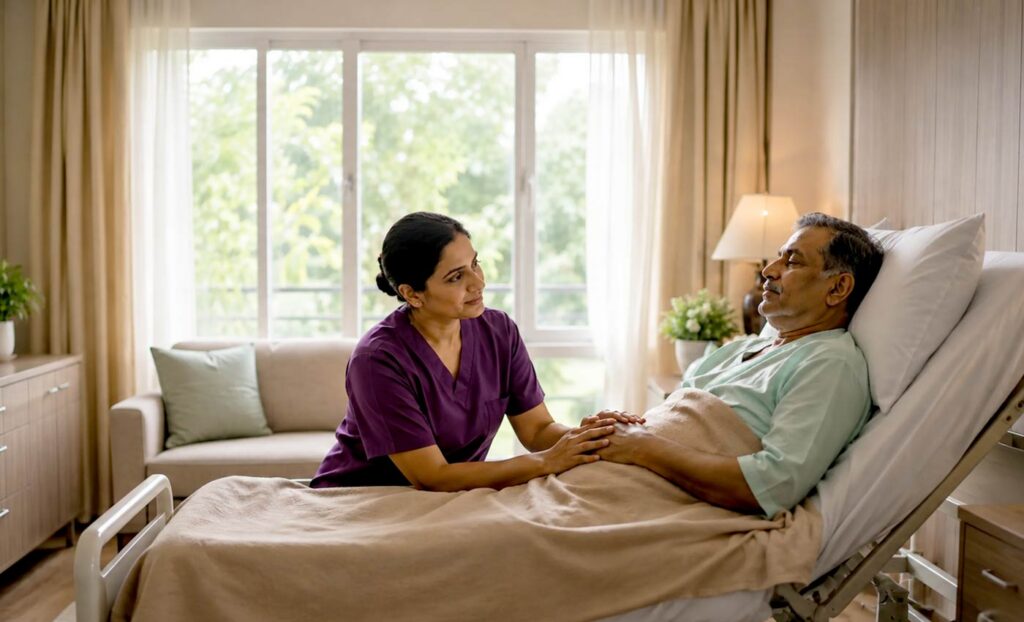
- Providing a calm presence for a patient nearing the end of life
- Visiting with a certified pet therapy dog
- Helping with administrative projects, events, or phone calls
- Creating handmade items for patients

Transitions LifeCare offers a variety of volunteer opportunities, allowing people to contribute in ways that fit their skills, interests, and comfort levels
You Do Not Have to Know Exactly What to Say
One of the biggest concerns new volunteers may have is knowing what to say to someone who is seriously ill.
But meaningful support does not always require profound conversations. Often, the most important thing a volunteer can do is listen.
You might talk about:
- Favorite foods or recipes
- Sports or current events
- Music
- Family memories
- Pets
- Travel
- Books, movies, or television
- Hobbies and past interests
Some visits may involve a lot of conversation. Others may simply involve sitting together, listening to music, reading aloud, or sharing a quiet moment.
Companionship Can Be a Powerful Gift
For patients who live alone or whose families cannot always be present, regular companionship can make a meaningful difference.
Transitions LifeCare companionship volunteers may visit patients weekly and spend time engaging in conversation, activities, or hobbies.
The goal is not to provide medical care. It is to provide human connection.
A familiar face and a dependable visit can become something a patient looks forward to.
Volunteers Can Give Caregivers Time to Recharge
Family caregivers often spend long periods focused on another person’s needs. Even a short break can give them time to take a walk, run an errand, attend an appointment, or simply rest.
Respite volunteers spend time with patients so caregivers can step away knowing their loved one has companionship.
For a caregiver who has been handling medications, meals, appointments, household responsibilities, and daily care, that small window of time can be incredibly valuable.
Sometimes the Most Meaningful Support Is Quiet
Not every volunteer visit involves conversation.
Supportive Presence volunteers spend time with patients who may no longer be able to actively engage because of their condition. Their role is to offer peace, reassurance, and a calm presence for both the patient and family.
In these moments, simply being there can be enough.
Vigil Volunteers Help Ensure No One Has to Be Alone
Some volunteers choose to serve patients who are actively dying.
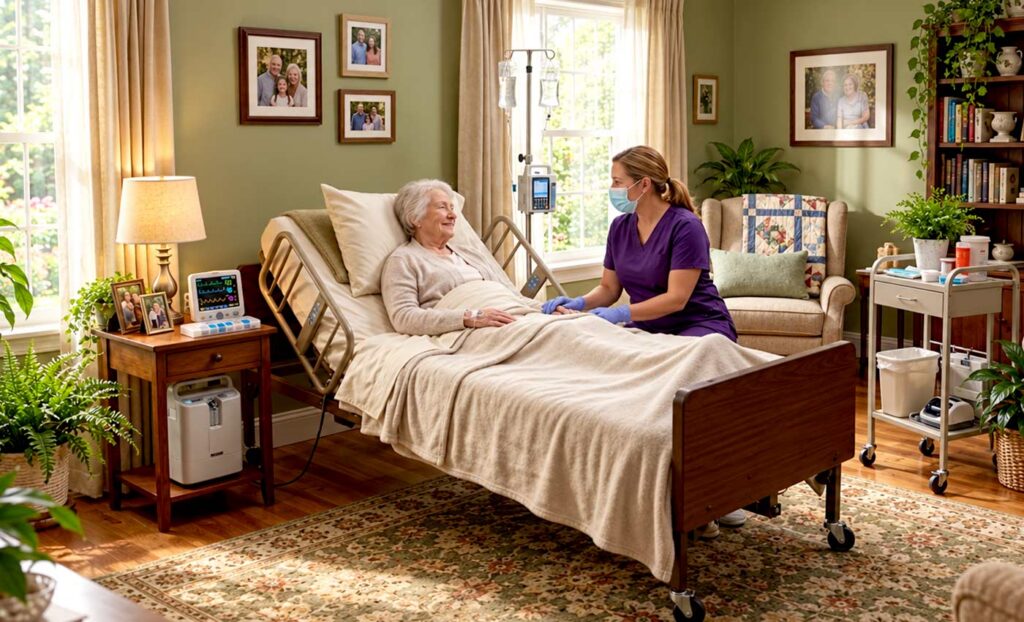
Vigil Volunteers may sit with a patient who does not have family or friends present, or they may provide respite so family members can step away briefly to eat, sleep, shower, or take care of another need.
This type of volunteering is not the right fit for everyone, but for those who feel called to it, it can be a deeply meaningful way to offer comfort and dignity.
Practical Help Matters, Too
Volunteering does not always mean providing emotional support directly to a patient.
Practical support volunteers may help with everyday tasks such as:
- Light household duties
- Running errands
- Grocery shopping
- Meal preparation
- Laundry
- Tidying a patient’s room
Transitions LifeCare also uses volunteers for transportation, deliveries, meals, administrative support, events, expressive arts, and other needs.
These tasks may seem small, but when a family is managing serious illness, practical help can ease a real burden.
Pet Therapy Offers Another Kind of Connection
For some patients, few things bring a smile as quickly as a friendly dog walking into the room.
Transitions LifeCare offers volunteer opportunities for people accompanied by certified pet therapy dogs to visit patients.
These visits can provide comfort, companionship, and a welcome change of pace for patients and families.
You Can Volunteer Without Providing Direct Patient Care
Not everyone feels comfortable working directly with patients, and that is completely okay.
There are other ways to contribute, including:
- Administrative support
- Helping at events
- Making phone calls
- Preparing or delivering meals
- Creating quilts, afghans, prayer shawls, or other handmade items
- Helping with expressive arts or other specialized activities
These behind-the-scenes roles help support the organization and the families it serves.
Do You Need Healthcare Experience?
No healthcare background is required for many volunteer roles.
Transitions LifeCare provides orientation and training so volunteers can understand their responsibilities, patient privacy, communication, and how to support patients and families appropriately.
What matters most is often a willingness to listen, show up reliably, respect boundaries, and treat patients and families with compassion.
What Makes Someone a Good Volunteer?
There is no single personality type required for volunteering.
Helpful qualities include:
- Compassion
- Reliability
- Patience
- Good listening skills
- Respect for privacy
- Comfort following guidance and boundaries
- Willingness to meet people where they are
Sometimes the best volunteers are not the people who always know what to say. They are the people who know how to listen.
How Much Time Do Volunteers Need to Give?
Volunteer opportunities vary depending on the role, and Transitions LifeCare describes its program as offering flexible opportunities for adults from a variety of backgrounds.
Some roles may involve regular patient visits, while others may be occasional or event-based.
The volunteer team can help match your availability and interests with an opportunity that makes sense for you.
What Is the Process for Becoming a Volunteer?
Transitions LifeCare provides a structured process to help prospective volunteers learn about the organization and prepare for their role.
The process generally includes:
- Attend a virtual Volunteer Information Session
- Complete a volunteer application
- Participate in an interview with Volunteer Services
- Complete required orientation and training
Volunteers must be at least 18 years old. Additional requirements include a background check, TB screening, annual flu vaccination or approved exemption, and maintaining patient confidentiality. Some roles may have additional requirements.
Finding the Volunteer Role That Fits You
You do not have to decide exactly what kind of volunteer you want to be before getting started.
Think about questions such as:
- Do I enjoy talking with people one-on-one?
- Would I rather help with practical tasks?
- Am I comfortable visiting patients in their homes or care settings?
- Would I prefer a behind-the-scenes role?
- Do I have a skill or hobby I would enjoy sharing?
- How much time can I realistically commit?
The volunteer process is designed to help you learn about the available opportunities and find a role where you can feel comfortable and useful.
Small Acts Can Have a Lasting Impact
Volunteering with people facing serious illness does not always involve grand gestures.
Sometimes it is a conversation. A grocery run. A quiet hour at someone’s bedside. A therapy dog visit. A handmade blanket. A caregiver getting the chance to leave the house for an hour without worrying.
Those small acts can make difficult days feel a little less overwhelming.
Volunteer With Transitions LifeCare
Transitions LifeCare volunteers support patients and families throughout the community in a wide variety of roles, including companionship, respite care, practical support, vigil volunteering, pet therapy, transportation, deliveries, meals, events, and administrative assistance.
Training is provided, and volunteer opportunities are available for adults age 18 and older.
To learn more about available opportunities and how to get started, visit the Volunteer with Transitions LifeCare page.