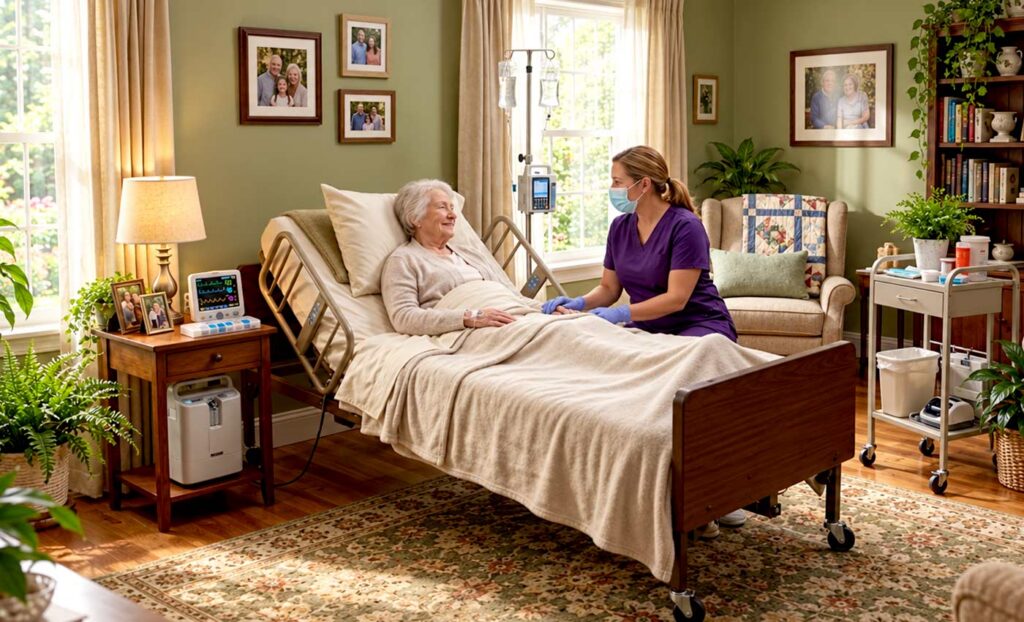

Volunteers play an essential role in the care and support Transitions LifeCare provides to patients and families. By sharing their time, talents, and compassion, volunteers offer comfort during difficult moments and help families feel less alone.
Whether you prefer visiting with patients, providing practical assistance, supporting caregivers, or helping behind the scenes, there are many meaningful ways to get involved.
Why Volunteer with Transitions LifeCare?
Each year, hundreds of volunteers describe touching the lives of Transitions LifeCare patients and families as one of their most rewarding experiences. Volunteers become part of a compassionate team dedicated to providing dignity, comfort, and support to people facing life-changing illness, end of life, and grief.
Volunteering can provide opportunities to:
- Make a meaningful difference in the lives of patients and families
- Offer companionship to someone who may feel isolated
- Provide much-needed respite to a family caregiver
- Use your professional, creative, or personal skills to help others
- Connect with other compassionate members of the community
- Support the mission of a local nonprofit organization
Patient and Family Support
Patient and family support volunteers provide companionship, encouragement, and practical assistance based on each family’s needs.
Respite Support
Respite volunteers spend time with patients while their caregivers take a break, attend an appointment, complete errands, or simply rest. This support gives caregivers time to care for their own needs while knowing their loved one has companionship.
Companionship
Companionship volunteers typically visit patients regularly and may spend time:
- Talking and sharing stories
- Listening to music
- Reading aloud
- Playing games
- Participating in hobbies or creative activities
- Offering a quiet and supportive presence
Supportive Presence
As an illness progresses, a patient may no longer be able to participate in conversation or activities. Supportive presence volunteers provide calm companionship and help reassure family members that their loved one is not alone.
Practical Assistance
Depending on the assignment, volunteers may help with light household tasks such as:
- Preparing a simple meal
- Running errands or grocery shopping
- Doing light laundry
- Tidying a patient’s room
- Helping with other non-medical household needs
Vigil Volunteers
Vigil volunteers sit with patients who are actively dying and may not have family members or friends available to be present. They may also stay with a patient while family members step away to eat, rest, or take a brief break.
By providing a peaceful and compassionate presence, vigil volunteers help ensure that patients and families feel supported during some of life’s most difficult moments.
Pet Therapy Visits
Volunteers with certified pet therapy dogs can provide visits to patients. These visits may offer comfort, encourage connection, reduce feelings of loneliness, and bring moments of happiness to patients and families.
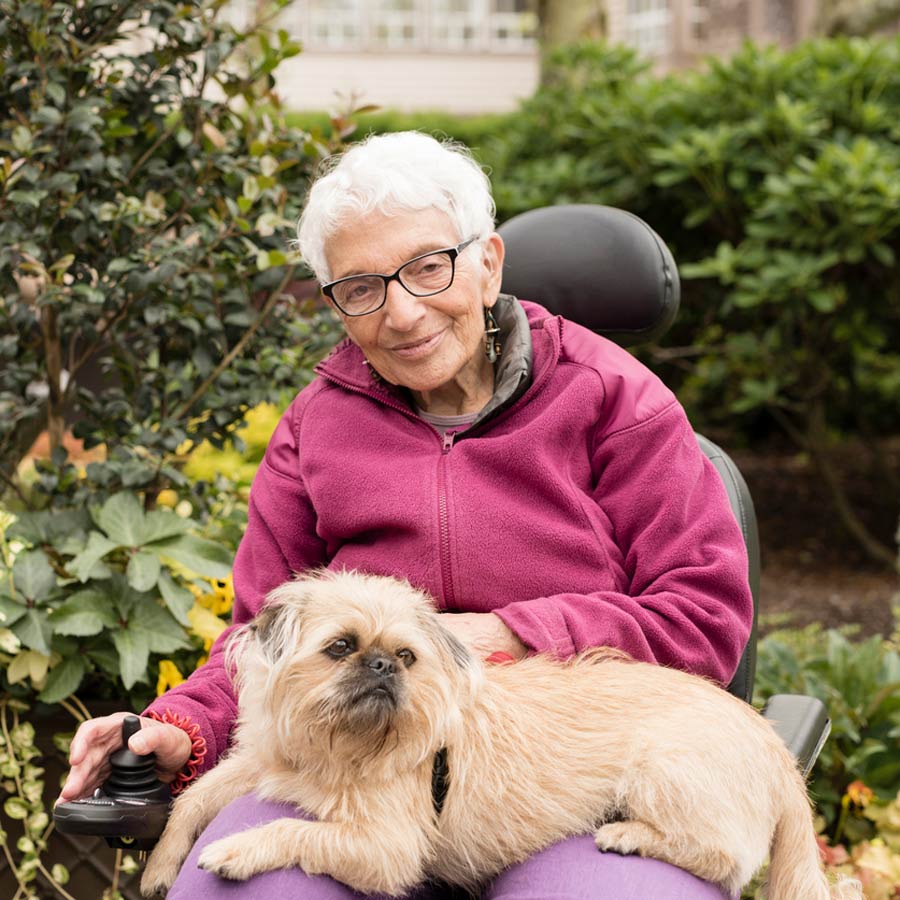
Certified pet therapy dogs bring comfort, connection, and joy to patients and families.
Transportation, Deliveries, and Meals
Volunteers may also provide practical community support by:
- Transporting patients to medical appointments or the grocery store
- Delivering medical supplies or other important items
- Helping provide meals for families at the Hospice Home
These practical forms of assistance can reduce stress and allow patients and caregivers to focus more fully on their time together.
Creative and Administrative Opportunities
Not every volunteer role involves direct patient care. Individuals and community groups can support patients, families, and staff in several other ways.
Opportunities may include:
- Creating afghans, quilts, prayer shawls, or activity aprons
- Providing administrative or office support
- Assisting with events and phone calls
- Offering musical presence or expressive arts activities
- Providing approved Reiki, massage, or gentle-touch services
- Supporting veterans through the We Honor Veterans program
- Donating requested snacks or supplies to the Hospice Home
Some specialized roles require additional training, credentials, or certification.
Join the Family Advisory Council
Family members and caregivers whose loved one received care from Transitions LifeCare may be eligible to participate in the Family Advisory Council.
Council members share feedback about:
- The patient and family care experience
- How well the organization responded to individual needs
- Communication before and after a death
- What Transitions LifeCare did well
- How services and support could be improved
The council is composed of a small group of family members, caregivers, and staff. It meets quarterly, and members are generally asked to serve a two-year term.
Volunteer Requirements
Transitions LifeCare prepares volunteers to serve patients and families safely and confidently. General requirements include:
- Attending a virtual volunteer information session
- Completing a volunteer application
- Providing two references
- Completing required criminal, motor vehicle, and sexual offender background checks
- Completing an initial tuberculosis test, with assistance provided
- Receiving a flu shot or obtaining an approved medical or religious exemption
- Making a one-year volunteer commitment
Additional requirements may apply depending on the selected role. Individuals grieving a recent personal loss may be asked to wait for a period of time before beginning a direct patient assignment.
How to Become a Volunteer
Step 1: Attend an Information Session
Prospective volunteers begin by attending a virtual information session. These sessions provide an opportunity to learn about available roles and speak with Transitions LifeCare staff and current volunteers.
Step 2: Complete an Application
After selecting areas of interest, complete the online volunteer application and provide the requested references and availability information.
Step 3: Participate in an Interview
After the application is received and the information session is completed, Volunteer Services will schedule an interview to discuss your interests, experience, availability, and possible assignments.
Step 4: Complete Volunteer Training
Approved applicants participate in online and onsite training designed to prepare them for their volunteer roles. Specialized assignments may require additional instruction.
Share Your Time and Compassion
Every volunteer brings something valuable. A conversation, a meal, a quiet presence, or a few hours of practical assistance can make a lasting difference to a patient and family.
Learn more about volunteering with Transitions LifeCare or call 919.828.0890 to speak with a member of the team.