
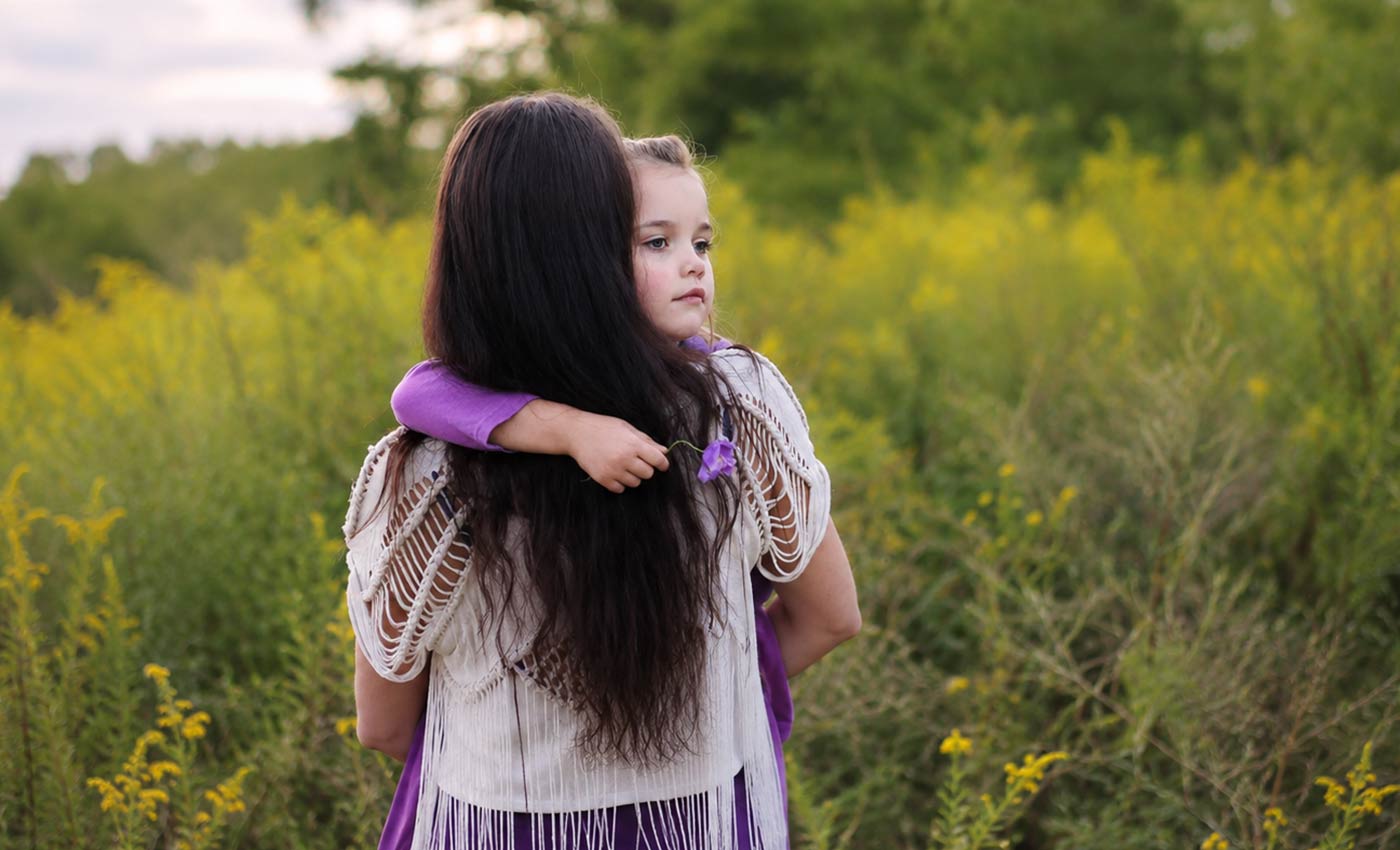
Talking to children about death is never easy. Parents and caregivers often want to protect kids from pain, especially when they are grieving too. But when someone dies, children need simple, honest information from the adults they trust.
Being open with children helps reduce fear, confusion, and anxiety. Kids often sense when something is wrong, even when adults try to hide it. Without clear information, they may imagine something worse or misunderstand what has happened.
While children do not need every detail, they do need enough truth to understand the death and begin processing their grief.
Why It’s Important to Be Honest With Children About Death
Children and teens notice changes in tone, routine, and emotion. If they feel information is being withheld, they may become anxious or distrustful.
Honest conversations help children:
- Understand what has happened
- Ask questions in a safe environment
- Feel included and supported
- Maintain trust with caregivers
- Begin to process their grief in healthy ways
The goal is not to explain everything perfectly. The goal is to speak with honesty, care, and reassurance.
5 Tips for Talking to Kids About Death
1. Calm Yourself First
Before talking with your child, take a few deep breaths and give yourself a moment to feel grounded. You do not have to hide your sadness, but a calm presence can help your child feel safer.
2. Use Clear Words
Use direct words like “death,” “dead,” and “died.” Avoid phrases like “passed away,” “went to sleep,” or “we lost them,” which can be confusing or frightening for children.
For example, you might say:
“Grandma died last night. Her body stopped working, and she died.”
Simple, clear language helps children understand what has happened.
3. Choose a Quiet Place
If possible, find a quiet place to talk. Sit near your child or at their level, and use a calm, gentle tone. There is no perfect time for this conversation, but creating a peaceful environment can help.
4. Share Information in Small Pieces
Children process difficult news in small amounts. Share simple information, then pause. Let them ask questions. You can always return to the conversation later.
You might say:
“We are still learning more, and we can talk about it again when we know more.”
Younger children may need the same information repeated several times. This is normal.
5. Offer Reassurance
After hearing about a death, children may worry that other people they love will die too. Reassure them with honesty and comfort.
You could say:
“I plan to be here for a long time, and there are other adults who love you and will help take care of you.”
Children may cry, get angry, ask questions, withdraw, or seem ready to play again. All of these reactions can be normal. Let your child grieve in their own way.
Supporting a Grieving Child
Every child responds to death differently. Some children show emotions right away, while others need time. Teens may want more information or may need space before they are ready to talk.
You can support a grieving child by:
- Checking in regularly
- Answering questions honestly
- Offering hugs or quiet time together
- Letting them take breaks from grief
- Reassuring them that their feelings are okay
If you do not know the answer to a question, it is okay to say, “I don’t know, but we can try to find out.”
Final Thoughts
Talking to children about death is hard, but honest and loving conversations help build trust. By using clear language, sharing information in small pieces, and offering reassurance, caregivers can help children feel supported during a painful time.
You do not have to say everything perfectly. What matters most is being present, truthful, and available as your child begins to understand and grieve.
Watch the video below to learn five helpful tips for telling children and teens that a death has happened. This guidance includes considerations for age and development, how children may understand grief differently, and how to approach conversations about both expected and unexpected deaths with honesty, care, and reassurance.