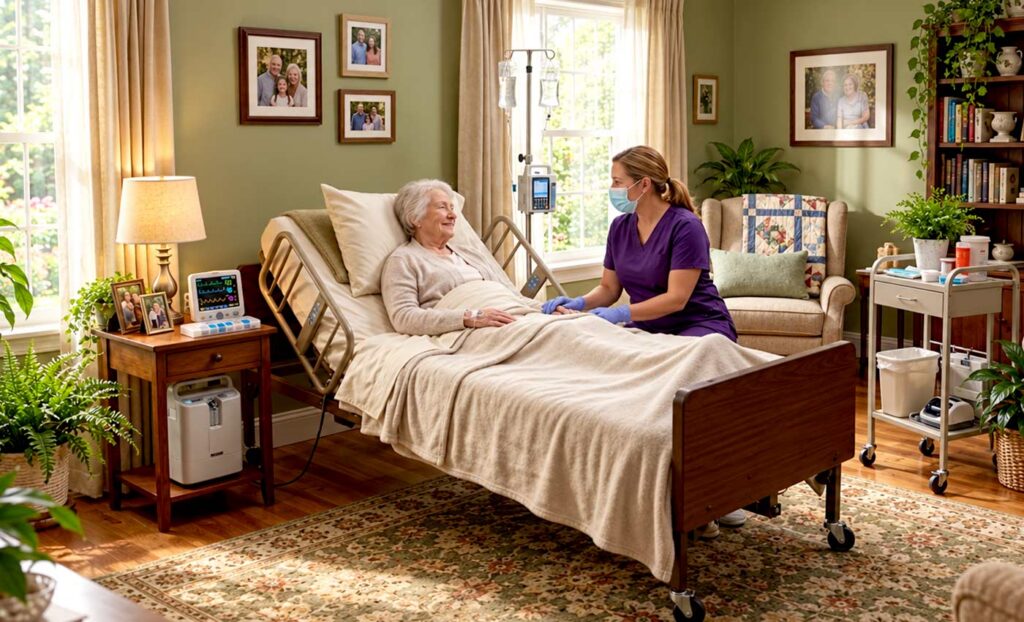

Hiring a caregiver can help an older adult or person living with a serious illness remain safe, comfortable, and as independent as possible at home. It can also provide essential support and respite for family members who have been managing care on their own.
Finding the right person requires more than choosing someone who is available. Families should carefully consider the individual’s needs, the caregiver’s experience, the cost of care, and how well the caregiver’s personality and communication style fit with the household.
Begin by Identifying Your Caregiving Needs
Before contacting an agency or interviewing a caregiver, make a detailed list of the support the person currently needs. Consider whether those needs are likely to change in the near future.
A caregiver may assist with:
- Bathing, dressing, grooming, and toileting
- Walking, transfers, and fall prevention
- Meal planning and preparation
- Medication reminders
- Light housekeeping and laundry
- Transportation to appointments or errands
- Companionship and meaningful activities
- Supervision for someone experiencing cognitive changes
- Respite care for family caregivers
- Overnight or around-the-clock support
Be specific about which tasks are required. Some needs, such as injections, wound care, or medication administration, may require a licensed healthcare professional rather than a companion or personal care aide.
Include the Person Receiving Care
Whenever possible, involve the person receiving care in the hiring process. Having another person in the home can feel like a significant loss of privacy or independence. Listening to the individual’s concerns and preferences may make the transition easier.
Ask about preferences related to:
- Daily routines and schedules
- Personality and communication style
- Language, culture, religion, or gender
- Meals and household customs
- Pets, smoking, and other features of the home
- Activities and personal interests
- The amount and type of assistance they are comfortable receiving
Choose Between an Agency and a Private Caregiver
Families can hire a caregiver through a home care agency or employ someone directly. Each arrangement has different benefits and responsibilities.
Hiring Through a Home Care Agency
An agency may handle caregiver screening, scheduling, payroll, taxes, insurance, supervision, and substitute coverage when a regular caregiver is unavailable.
Ask the agency:
- Is the agency licensed as required by the state?
- How are caregivers screened and selected?
- What background and driving record checks are performed?
- Are caregivers bonded and insured?
- What training and certifications are required?
- How are caregivers supervised and evaluated?
- Will the family meet the caregiver before services begin?
- Can the family request a different caregiver if the match is not successful?
- What happens if the scheduled caregiver is sick or unavailable?
- Is support available after regular business hours?
- What are the hourly minimums, rates, and additional fees?
Hiring a Caregiver Directly
Hiring privately may provide greater control over caregiver selection, scheduling, responsibilities, and pay. However, the family may also become responsible for screening, supervision, payroll, insurance, tax reporting, and arranging backup care.
Before hiring someone directly, determine:
- Whether the caregiver will be considered a household employee
- Which employment and tax requirements apply
- How wages, overtime, holidays, and expenses will be handled
- Whether workers’ compensation or other insurance is required
- Who will provide care if the caregiver is absent
- How performance concerns or termination will be handled
The IRS Household Employer’s Tax Guide explains federal tax responsibilities that may apply when a family hires a household employee. Consider consulting a tax or employment professional about your specific arrangement.
Write a Clear Caregiver Job Description
A written job description helps potential caregivers understand what the position requires and gives the family a consistent way to compare candidates.
Include information such as:
- The days and hours care is needed
- Specific personal care and household duties
- Mobility, lifting, or transfer requirements
- Medical conditions the caregiver should understand
- Memory, communication, or behavioral concerns
- Transportation and driving expectations
- Whether the home has pets or smokers
- Required training, certifications, or experience
- Hourly pay, reimbursement, and other benefits
- Expectations for documentation and family communication
Questions to Ask During the Interview
Interview candidates in person or by video before making a decision. If possible, include the person receiving care and another trusted family member.
Helpful interview questions include:
- What caregiving experience do you have?
- Have you supported someone with similar care needs?
- What caregiving tasks are you comfortable performing?
- Do you have current CPR or first aid training?
- How would you respond if the person fell or had a medical emergency?
- How do you support someone who is confused, anxious, or resistant to care?
- How do you protect a person’s privacy and dignity during personal care?
- How would you handle a disagreement with the person receiving care?
- Are you comfortable preparing meals, driving, or caring for pets?
- What days and hours are you available?
- Are there any tasks you cannot or will not perform?
- Why did you leave your previous caregiving position?
- May we contact your professional references?
The National Institute on Aging’s caregiver hiring worksheet provides additional questions families can use when evaluating a provider.
Check References and Qualifications
Even when someone is recommended by a friend, complete a thorough screening before allowing the caregiver to work independently in the home.
- Contact at least two professional references.
- Confirm employment dates, duties, reliability, and reason for leaving.
- Verify licenses and certifications directly with the issuing organization.
- Conduct an appropriate criminal background check.
- Review the caregiver’s driving record if transportation is required.
- Confirm that the caregiver is legally permitted to work.
- Ask whether the caregiver carries appropriate insurance.
- Check for any restrictions or findings on applicable healthcare registries.
North Carolina families can use the North Carolina Health Care Personnel Registry to verify certain nurse aide, medication aide, geriatric aide, and home care aide listings. Home care agency licensing information is available through the North Carolina Division of Health Service Regulation.
Discuss Costs Before Care Begins
Caregiving costs vary based on location, experience, care needs, schedule, and whether the caregiver is hired through an agency. Ask for a written explanation of all charges.
Clarify:
- The regular hourly or daily rate
- Minimum shift requirements
- Overtime, weekend, and holiday rates
- Charges for overnight or live-in care
- Mileage and transportation expenses
- Cancellation policies
- Rate increases and contract termination terms
- Which payment methods are accepted
Families may also want to explore whether any portion of care may be covered by long-term care insurance, Medicaid programs, veterans’ benefits, employer benefits, or community assistance programs. Coverage and eligibility vary, so confirm details directly with the appropriate program.
Create a Written Care Agreement
Whether the caregiver is hired privately or through an agency, expectations should be documented before services begin.
A written agreement may address:
- Work schedule and assigned duties
- Pay, overtime, holidays, and reimbursement
- Attendance and cancellation expectations
- Confidentiality and access to personal information
- Use of the person’s vehicle, telephone, or household property
- Medication and emergency procedures
- Communication with family members and healthcare professionals
- Documentation of meals, medications, symptoms, or activities
- Reasons and procedures for ending the arrangement
Prepare for the Caregiver’s First Day
Provide an orientation to the home, the individual’s routine, and the care plan. Do not assume that a caregiver will immediately know where supplies are located or how the person prefers to receive assistance.
Share important information, including:
- Emergency contacts and healthcare providers
- Medical conditions, allergies, and medications
- Daily routines and preferred activities
- Mobility and transfer instructions
- Dietary needs and food preferences
- Communication or cognitive changes
- Known sources of anxiety, discomfort, or confusion
- The location of medical supplies and emergency equipment
- Household safety and security procedures
Keep sensitive financial documents, valuables, passwords, medications, and personal records secure. Give the caregiver access only to the information and areas necessary to perform the job.
Evaluate the Caregiving Relationship
A caregiver may have excellent qualifications but still not be the right match. Check in regularly with both the caregiver and the person receiving care, especially during the first few weeks.
Signs of a positive caregiving relationship include:
- The person feels safe, comfortable, and respected.
- The caregiver arrives reliably and follows the care plan.
- Communication with the family is clear and consistent.
- Changes in health, mood, or behavior are reported promptly.
- The caregiver protects the person’s privacy and independence.
- The home and personal care tasks are completed as agreed.
Take concerns seriously if you notice unexplained injuries, missing money or belongings, poor hygiene, medication problems, increased fear or withdrawal, frequent lateness, or attempts to isolate the person from family members.
Finding the Right Support Takes Time
A dependable caregiver can become an important source of safety, companionship, and support. Taking time to define the role, compare options, check qualifications, and establish clear expectations can help families make a more confident decision.
Care needs may change over time. Continue communicating with the individual, caregiver, and healthcare team to make sure the arrangement remains safe and appropriate.