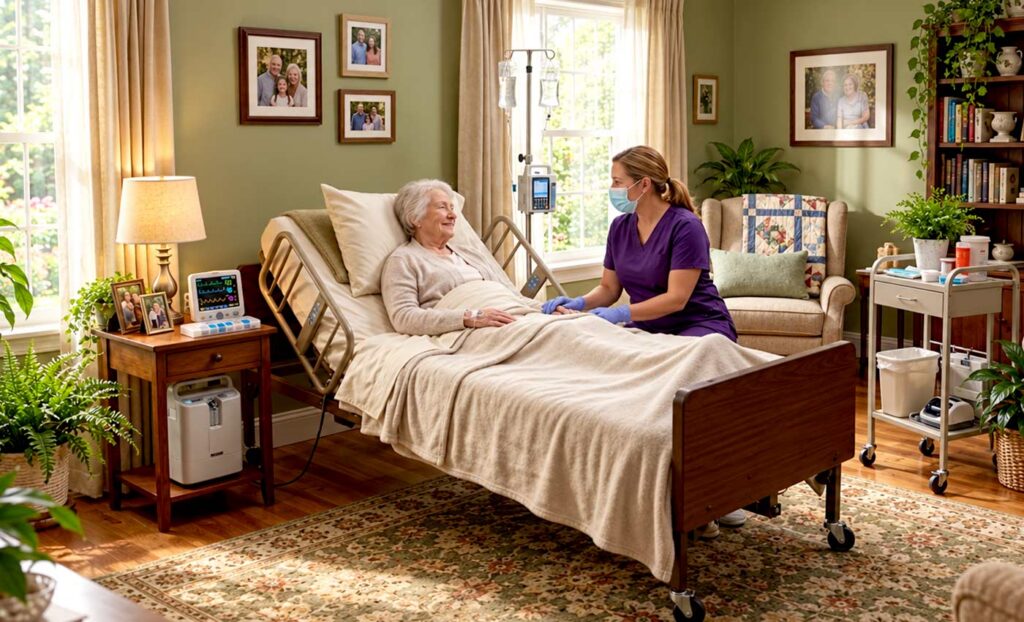

Caring for someone living with dementia can be rewarding, but it can also be physically and emotionally demanding. Families are often juggling medical appointments, medications, transportation, daily care needs, and the uncertainty that comes with changes in memory and behavior.
The Guiding an Improved Dementia Experience, or GUIDE, Model is designed to make that experience easier to navigate. GUIDE provides coordinated dementia care and additional support for both people living with dementia and the family members or unpaid caregivers who help care for them.
What Is the GUIDE Model?
GUIDE stands for Guiding an Improved Dementia Experience. The program brings together healthcare, caregiver support, and community resources to help people living with dementia receive more coordinated care.
The goals of GUIDE include:
- Improving quality of life for people living with dementia
- Providing more support for family and unpaid caregivers
- Helping people with dementia remain safely at home for as long as possible
Rather than leaving families to coordinate every part of dementia care on their own, GUIDE creates a more connected system of support.
A Personalized Dementia Care Plan
Every person living with dementia has different medical, emotional, and practical needs. Through GUIDE, participants receive a comprehensive assessment that helps identify those individual needs.
The care team then develops a personalized care plan that can evolve as the person’s condition or circumstances change.
This approach helps families better understand what support may be needed now while also preparing for what may come next.
Help Navigating Dementia Care
Dementia care can involve many different providers, services, and appointments. Keeping everything organized can quickly become overwhelming for families.
GUIDE care navigators help patients and caregivers understand their options and connect with appropriate services. They can also help coordinate clinical care and other forms of support so families are not left trying to piece everything together themselves.
Support may include connections to community resources such as:
- Transportation services
- Meal programs
- Community-based support services
- Healthcare and dementia care resources
Support for Family Caregivers
GUIDE recognizes that dementia affects more than the person who has been diagnosed. Family members and other unpaid caregivers often play a major role in providing personal care, managing medications, arranging appointments, and handling everyday responsibilities.
Through GUIDE, caregivers can receive education and support to help them better understand dementia, respond to changing symptoms, and manage some of the challenges that come with caregiving.
Caregivers may also have direct communication with a care navigator when questions or concerns arise.
Respite Care Gives Caregivers Time to Recharge
Even the most dedicated caregivers need time to rest, take care of their own health, work, spend time with family, or simply step away from caregiving responsibilities for a while.
GUIDE includes respite services, subject to an annual benefit limit, that can give eligible caregivers temporary relief from caregiving duties.
Depending on the family’s needs and available services, respite support may be provided through options such as:
- In-home respite care
- Adult day programs
- Other approved respite services
Having reliable respite care can help reduce caregiver stress and make it easier for families to continue caring for a loved one at home.
Help Is Available 24/7
Questions and concerns about dementia do not always happen during regular office hours. GUIDE participants have access to support 24 hours a day, seven days a week through a care team member or helpline.
This gives patients and caregivers a place to turn when they need guidance, reassurance, or help determining what to do next.
What GUIDE Support Can Look Like in Everyday Life
Consider a person living alone with moderate dementia whose family caregiver visits every day while also managing a job and family responsibilities.
Before receiving additional support, that caregiver may be trying to manage worsening dementia symptoms, transportation to appointments, medications, household tasks, and personal care largely on their own. Over time, that responsibility can lead to significant caregiver stress and burnout.
Through GUIDE, the person with dementia may begin working with an interdisciplinary care team while a care navigator helps connect the family with services such as transportation. The caregiver may receive training to better understand dementia symptoms and manage caregiving stress, while respite services provide opportunities to take needed breaks.
Instead of navigating dementia care alone, both the person living with dementia and their caregiver have a team helping them along the way.
Helping People With Dementia Remain at Home
For many families, one of the most important goals is helping a loved one remain in a familiar home environment for as long as it is safe and appropriate.
By coordinating care, connecting families with community resources, and supporting caregivers, GUIDE is intended to help make that possible while also improving quality of life for everyone involved.
Learn More About Dementia Support Through Transitions LifeCare
If you are caring for someone living with dementia, you do not have to navigate every decision alone. Transitions LifeCare can help connect eligible families with dementia care, caregiver resources, and support through the GUIDE Model.
To learn more about GUIDE and dementia services, visit our dementia care resources or call 919-828-0890 to speak with our team.